Need rodent & wildlife removal services in Scandia?
- Independent providers in our local network
- Plain-word guidance first
- Written quotes to compare
- No obligation to hire
No obligation
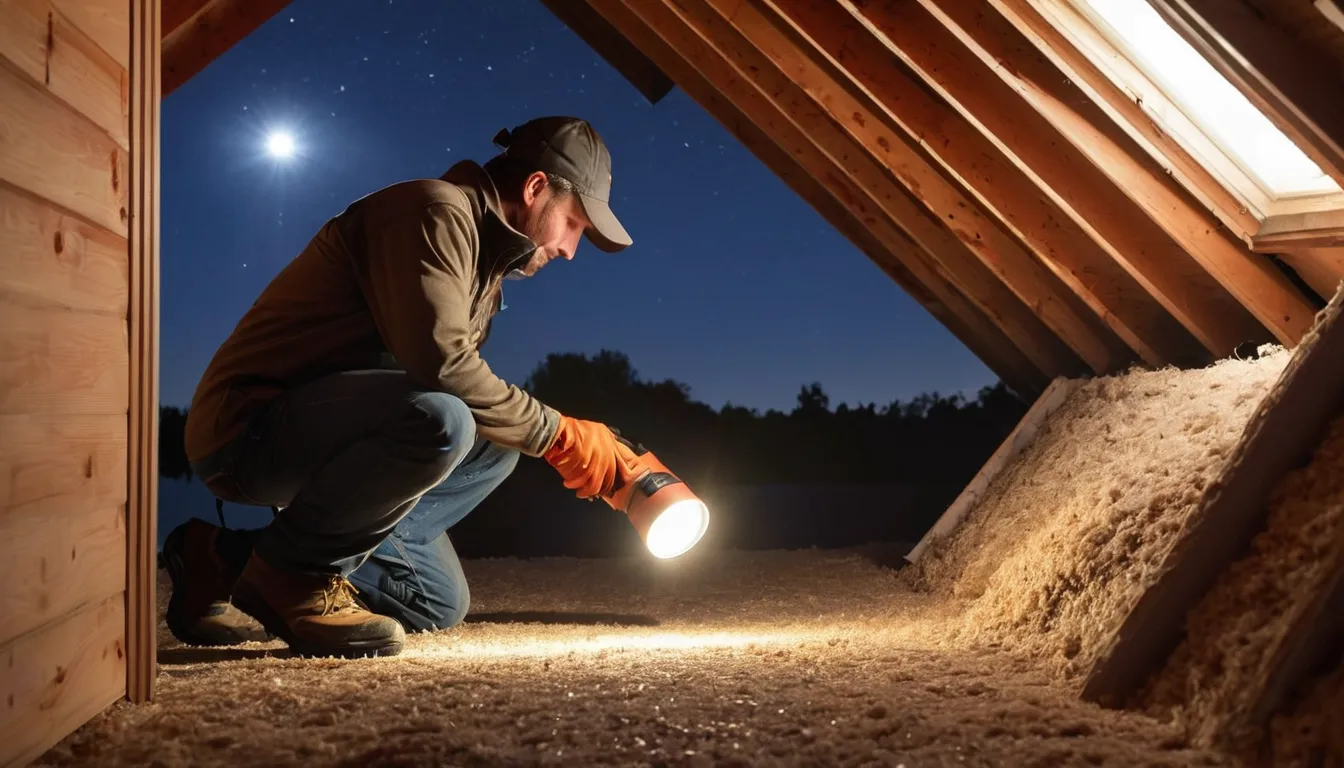
When something living has moved into your house, it helps to know what you are dealing with. A mouse in the wall, a squirrel in the attic and a raccoon under the porch all need different handling. Some jobs are small. Others involve nests, young animals and torn insulation.
Summitconversation Pest Control is a referral service. We do not do the work. We connect homeowners in Scandia and the Scandia area with independent local providers who handle rodent and wildlife removal. This page explains the signs, what you can safely do yourself, what a visit usually looks like, and how to keep animals out once they are gone, so you can make a calm decision.
Most people notice it at night. A scratch in the ceiling, a thump in the wall, a quick patter near the pipes. Something has moved in, and it found a gap you never knew was there. This page explains what may be making the noise, what you can safely do today, and when a provider in our network should step in. Request a callback to check provider availability in your area.
Think of a small drip under the sink. Ignored, it turns into rotten wood. Animals work the same way. They start small and then settle in.
Rodents can have young several times a year, so a pair can turn into a crowd. Squirrels and raccoons may nest in the attic, and a mother with young is a bigger job than a lone visitor. Chewed wiring is also a fire concern, and droppings and urine soak into insulation.
Good decisions start with a good guess about the visitor. You do not need to be sure. A few clues help a provider a lot.
Light, quick scratching at night often points to mice or rats. Heavy thumps and rolling sounds in the daytime may mean squirrels. Louder shuffling and thuds after dark can suggest raccoons. Write down when you hear it and where.
Small dark droppings along walls, gnawed boxes, greasy rub marks and a musty smell all point to rodents. Torn insulation or flattened vents point to larger animals. Bed bug treatment is a different job, so if you see bites rather than droppings, that is a separate question.
A good neighbor will tell you what is fine to try and what is not. Here is the honest split.
Stay out of tight attics and crawl spaces when animals may be nesting. Do not sweep up heavy droppings dry, because dust can carry germs. Do not block a hole before you know nothing is trapped inside. Roof work, trapping larger animals and cleanup of heavy contamination call for tools and training.
Providers in our network usually deal with house mice, Norway and roof rats, squirrels, raccoons, bats, opossums and chipmunks. Some also handle skunks and groundhogs under decks and sheds. Not every provider takes every animal, so ask before you book.
Imagine fixing a bucket that keeps overflowing. You do not just mop the floor. You find the hole. Removal follows the same idea.
The provider checks the roofline, vents, foundation, garage and attic. They look for entry points, nests, droppings and damage, then explain what they found and what they suggest.
Depending on the animal, that may mean traps, one-way doors or careful removal of young. Once the animals are out, the openings get sealed with durable materials. Sealing is what keeps the problem from returning. Cleanup and insulation repair may be a separate step.
Many animals are protected by state or local rules. Some cannot be moved at certain times of year, especially when young are present. Bats often have strict timing rules. A reputable provider knows these rules and explains them. Ask how they handle animals and whether any permits apply.
A good provider answers plain questions plainly. Ask these:
Get the quote in writing. Be careful with any quote that is vague about sealing. Request a callback to check which providers are available near you.
Think of your house like a coat with a few open buttons. Small gaps are all it takes. Check these spots each season:
Cold winters push animals indoors, and wet springs flood burrows outside. Fall is a smart time for a walk around the house.
A quiet attic is worth more than a repaired one. Damage left alone can hurt insulation, wiring and wood, and these problems can show up in an inspection when you sell. Fixing the entry points and keeping records of the work helps protect your home's value. Know what you're seeing, help what you can, then let a provider handle the rest.
A provider checks the roofline, vents and foundation to find where animals are getting in.
Animals are removed with methods that fit the species and local rules.
Openings are closed with durable materials so animals cannot return.
Many providers offer droppings cleanup and insulation repair, often quoted as a separate item.
Prices vary a lot with the animal, the size of the house and how hard the entry points are to reach. These are typical U.S. ranges only. Always ask for a written quote before work starts.
| Service | Typical range | Notes |
|---|---|---|
| Inspection | $75 – $300 | Often credited if you hire the provider |
| Mouse or rat removal | $200 – $600 | Depends on number of visits |
| Squirrel or raccoon removal | $300 – $1,000 | Higher with young in the nest |
| Bat exclusion | $500 – $3,000 | Timing rules may apply |
| Sealing entry points | $200 – $1,500 | Varies with number and height |
| Droppings cleanup | $300 – $2,500 | Larger areas cost more |
Tell the provider what you hear, where you hear it, and what signs you have found.
The provider checks the home, finds the entry points and explains the plan.
Animals are removed and the openings are closed against future visitors.
Ask about cleanup, repairs and simple habits that help keep animals away.
Different animals need different tools, so a correct guess saves time and money.
Droppings and nests can carry germs, so trained providers use proper protection.
Sealing the entry points stops the problem from coming back after removal.
Dealing with damage properly keeps the house in good shape for future buyers.
Stay calm and stay out of the attic. Note when and where you hear it, take photos of any droppings, and keep pets away. Then ask a provider to inspect and identify the animal.
Rules vary by area, and many animals have protected status. Trapping can also separate a mother from her young. A provider knows the local rules and can handle the animals more safely.
Some policies may cover sudden damage, but many exclude damage from pests that built up over time. Check your policy and ask your insurer. Providers can often help document damage for a claim.
Tell us what you found in your home. Request a callback to check provider availability, or send a request and a local provider can follow up.
No obligation